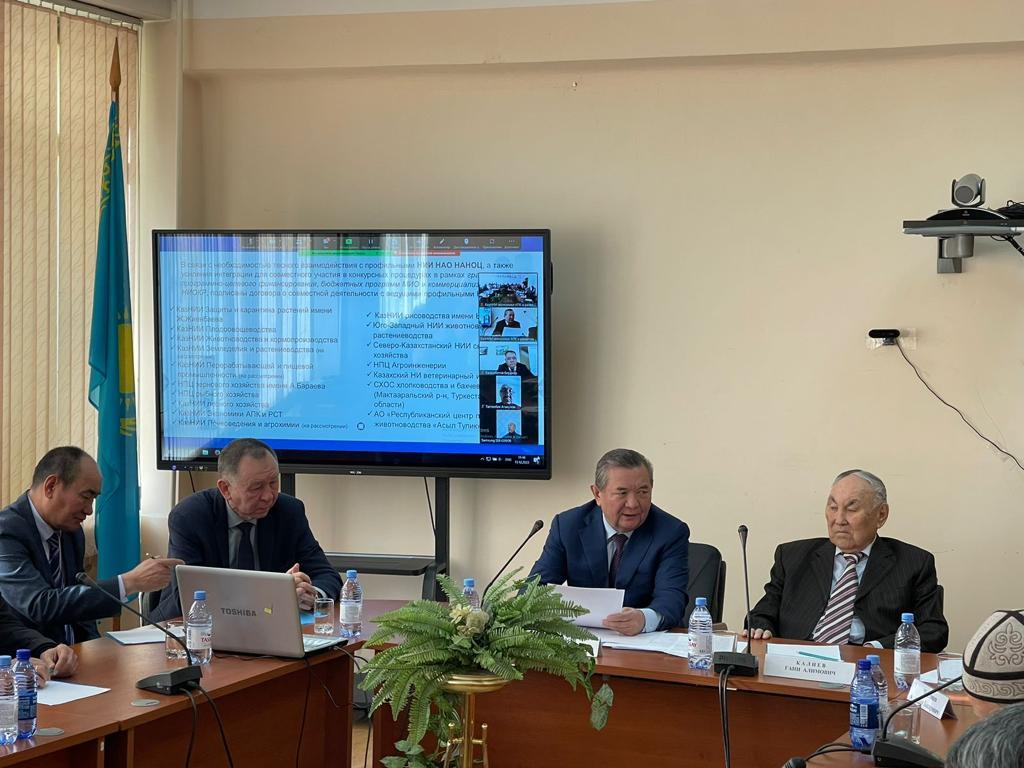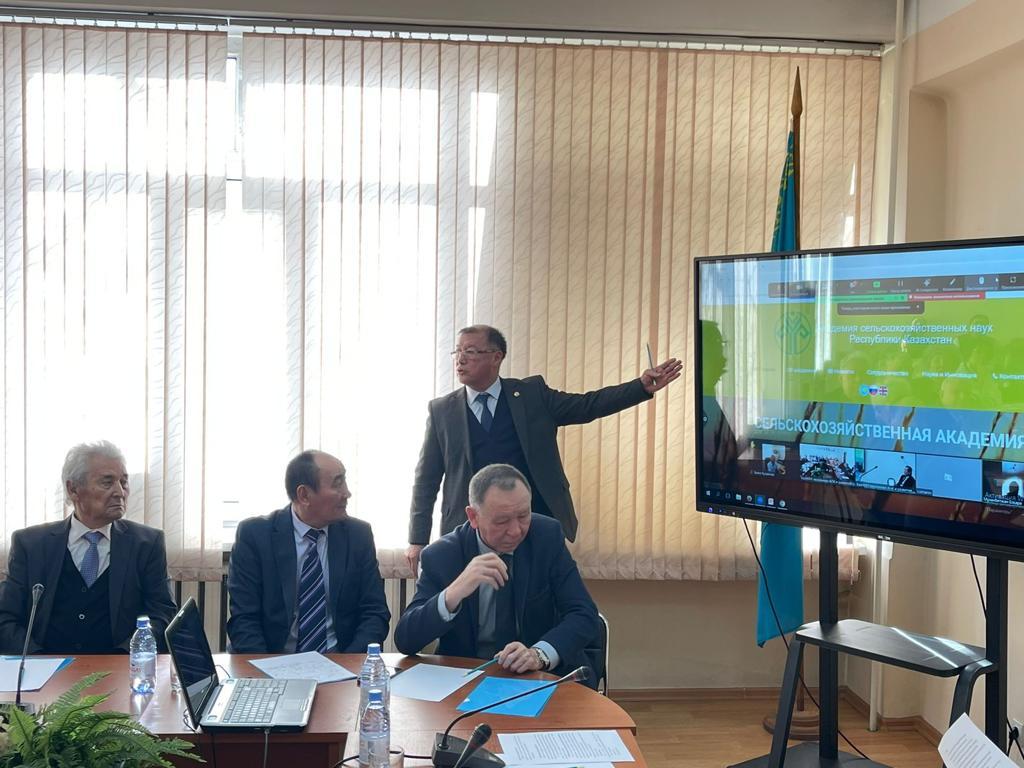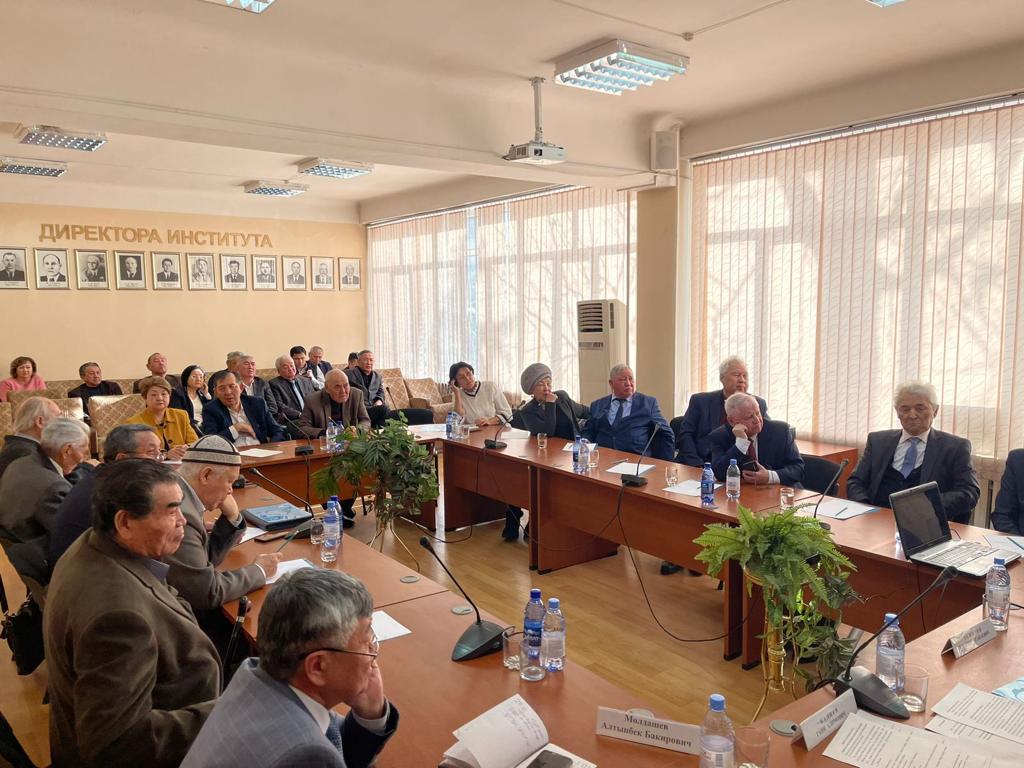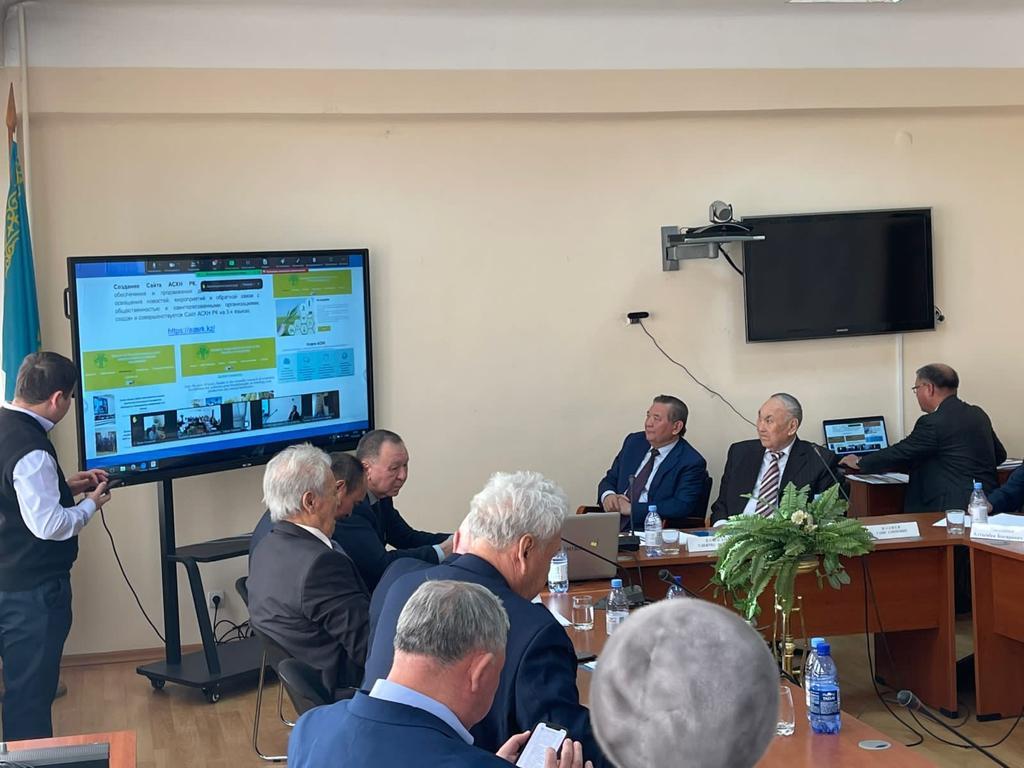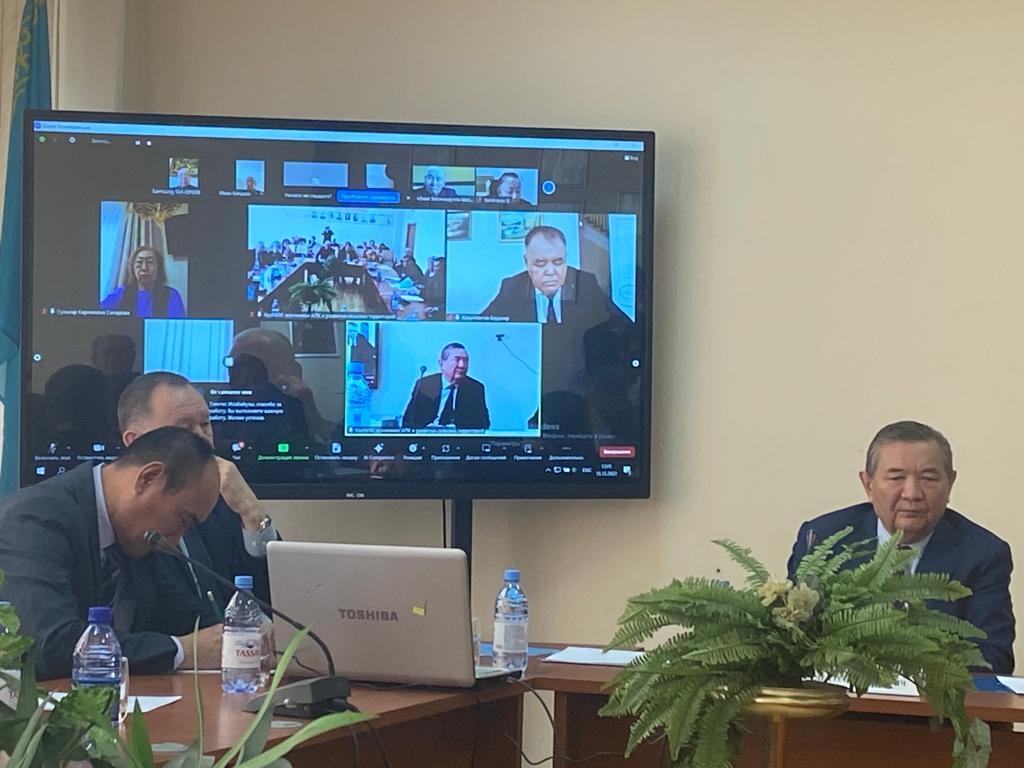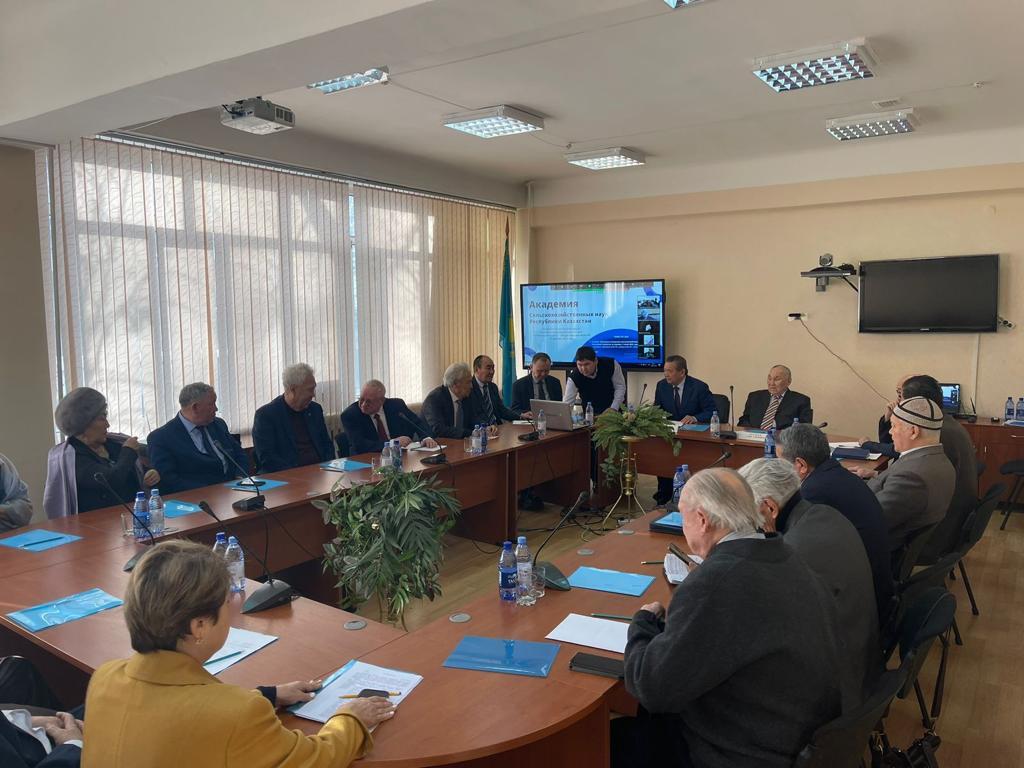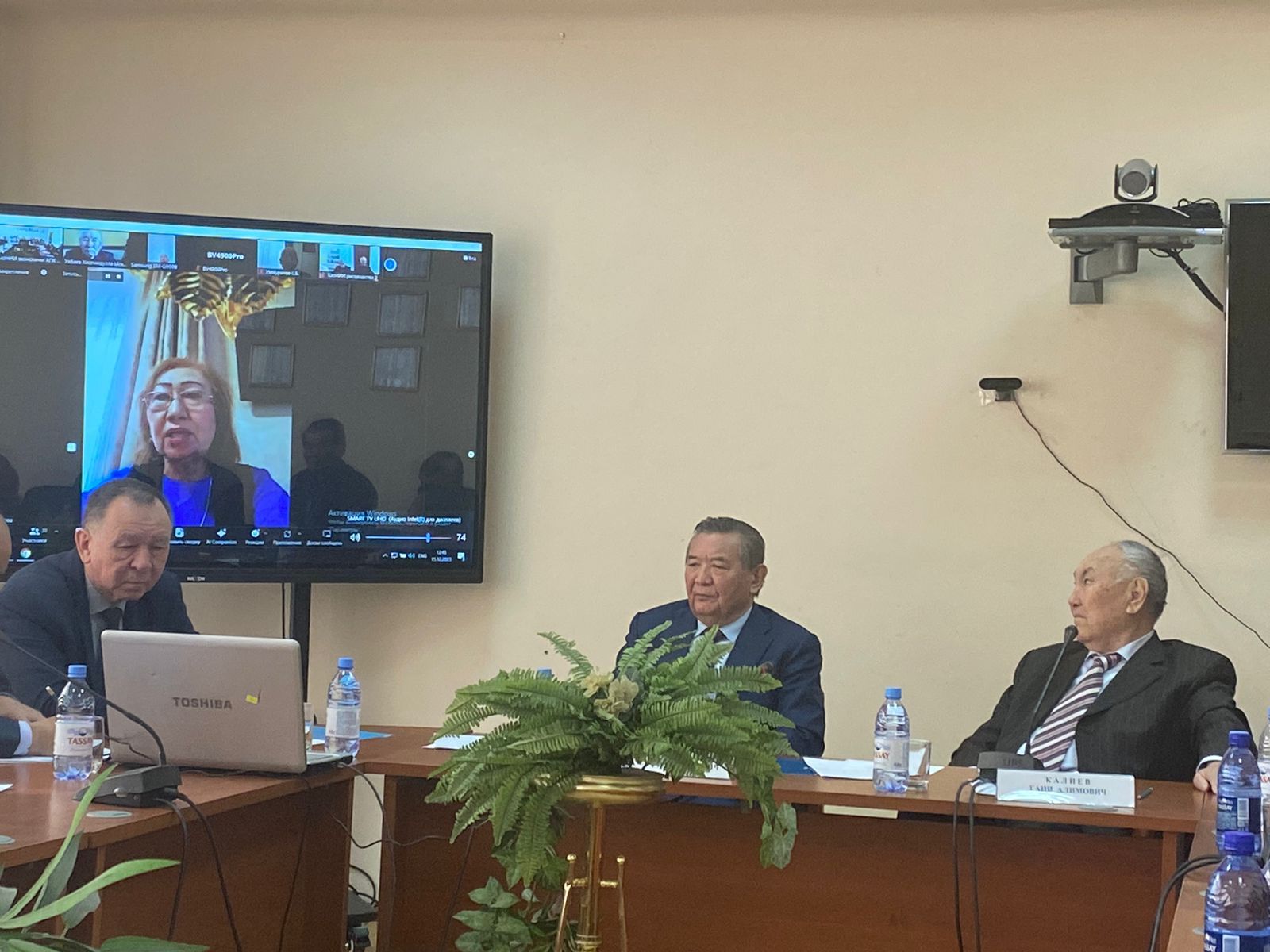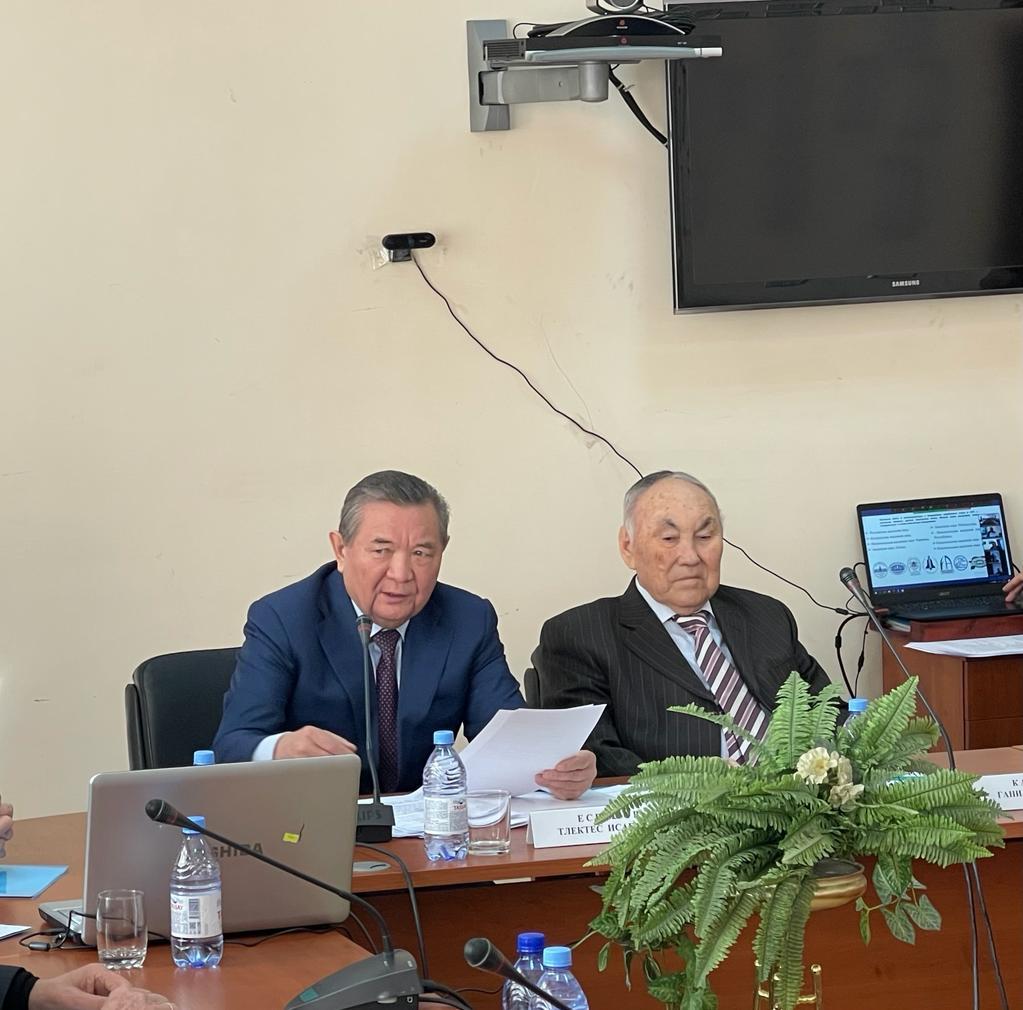



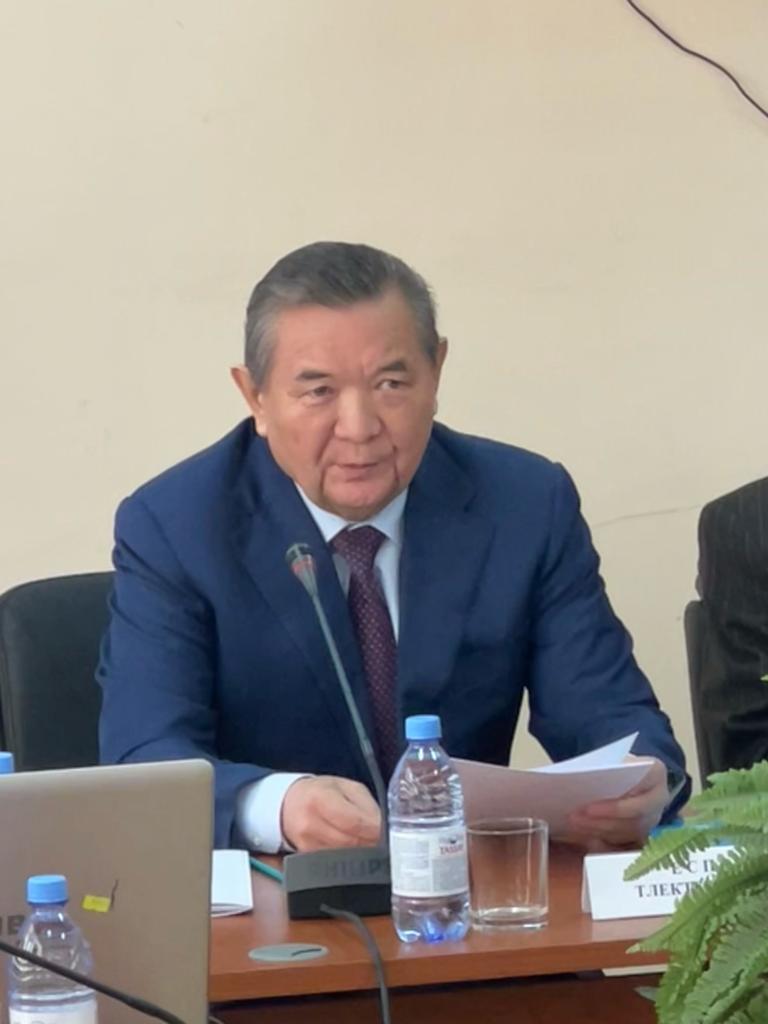
On 15 December 2023, an Extraordinary Session of the supreme body of the Academy of Agricultural Sciences of the Republic of Kazakhstan – its General Meeting – was held in Almaty in a hybrid online/offline format.
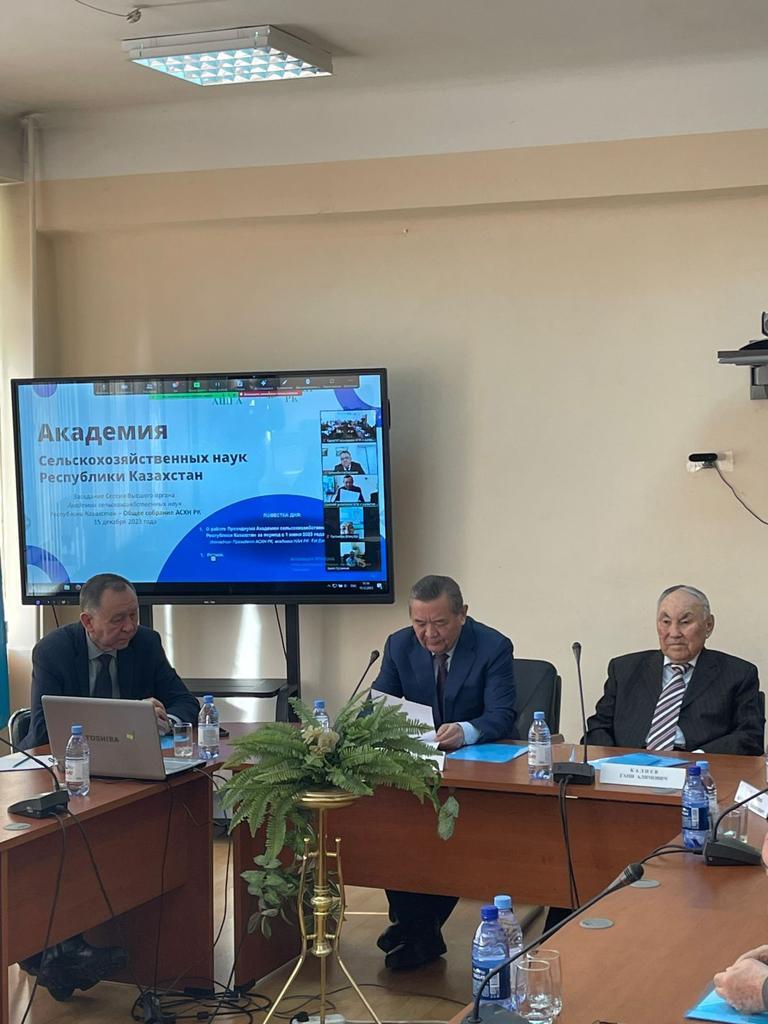
The General Meeting was attended by scientists, members and corresponding members of the Academy of Agricultural Sciences of the Republic of Kazakhstan, researchers from leading research institutes and universities, and scientists from the regions of Kazakhstan.
The agenda included:
1) On the work of the Presidium of the Academy of Agricultural Sciences since 1 June 2023
(speaker: President of the Academy, Academician of NAS RK T.I. Espolov).
2) Other business.
The Academy of Agricultural Sciences of the Republic of Kazakhstan was founded in 1971. Its members are 174 well-known scientists, including 132 full members, 26 corresponding members, 12 foreign members and 4 honorary members. It has 4 specialized Departments:
1) Economics of the Agro-Industrial Complex
2) Crop Production, Farming and Forestry
3) Livestock, Veterinary Science and Fisheries
4) Mechanization and Processing of Agricultural Raw Materials and Products
The report of the President of the Academy, Academician T.I. Espolov, stated that the Academy has great potential for providing scientific and advisory support to regional investment projects and businesses in the agro-industrial complex and processing industry, and for the rational use and conservation of forest and water resources, biodiversity and the environment.
In its research and educational activities, the Academy works closely with all research organizations of the National Agrarian Scientific and Educational Centre under the Ministry of Agriculture, as well as with the systems of the Ministry of Ecology and Natural Resources, the Ministry of Water Resources and Irrigation and the Ministry of Science and Higher Education.
Memoranda with the regions. Over the last 3–4 months, Memoranda have been signed or are being signed with 14 regional akimats, with the participation of our academicians, regional akims, regional agriculture departments, branches of the National Chamber of Entrepreneurs “Atameken”, national associations and chambers, and research institutes of the National Agrarian Scientific and Educational Centre in those regions.
Meetings to sign and agree memoranda were held in Turkistan, Zhambyl, Kyzylorda, Almaty, Zhetysu, Mangystau, Aktobe, West Kazakhstan, Akmola, Kostanay and other regions. All regions supported the Academy’s proposals and initiatives for close cooperation and for our scientists’ participation in the scientific support of the regions, the provision of scientific, educational and consulting services to agricultural producers, advisory and service support for innovation, and the professional development of specialists and farmers.
The regions are interested in the Academy’s support in: consolidating small farms into agricultural cooperatives; storage, processing and marketing of primary products and services; seed production, breeding, plant protection and quarantine; forestry and soil conservation; water-saving technologies; veterinary medicine, fodder production and breeding; intensive livestock technologies; energy- and resource-saving irrigation technologies; personnel training and much more.
Opening of Academy Centres. For permanent and systematic work on the ground and to involve young people in research, centres of the Academy have been opened at regional universities and research organizations, headed by our academicians and well-known specialists in those regions. To date, 12 centres have been opened and 2 more are being opened.
Agreements with research organizations of the National Agrarian Scientific and Educational Centre. Given the need for close cooperation with specialized research institutes and for greater integration in joint participation in competitive grant and programme-targeted funding, budget programmes of local executive bodies and commercialization of R&D, agreements on joint activities were signed with 16 leading specialized research institutes and other organizations.
Links and cooperation have been established with leading universities of the CIS with which long-standing creative ties existed. Many of our academicians also cooperate with well-known universities, and ties have been established with leading universities further abroad.
Cooperation with international organizations. The Academy and its academicians have for many years worked closely with international organizations: FAO, ICARDA, CIMMYT, the International Fund for Saving the Aral Sea (IFAS), the World Health Organization (WHO), the International Science and Technology Center (ISTC), the United Nations Development Programme (UNDP, UNDP GEF), the World Organisation for Animal Health (WOAH) and others.
An agreement was recently signed with the Islamic Organization for Food Security (IOFS), which unites 54 countries of the Islamic world and whose main goal is to ensure food security in its member states, combat hunger and drought and promote innovation in agriculture.
A Concept has been developed for an “Association of Academies of Agricultural Sciences” of IOFS member states. The Association will seek to influence agricultural and food security policy by providing science-based recommendations and will play an active role in shaping agricultural policy at national and international levels.
The Academy’s scientists actively participate in regional agro-industrial programmes and research projects aimed at developing the agro-industrial complex and rural areas and introducing innovations and new technologies. In this regard, a Department for International Relations and Integration is to be created.
The Academy implements and participates in the national Agricultural Knowledge Dissemination System. To strengthen this work and develop the Extension system, draft Regulations have been prepared, and an Institute for Advanced Training of Scientific Personnel is planned at the Academy, comprising:
1) an Academy of Administration and Management – for heads and leading staff of the agro-industrial complex; and
2) an Academy of Applied Sciences and Agribusiness – for specialists of agricultural businesses and farmers.
The General Meeting exchanged views and proposals on nominations for awards, incentives and badges of the Academy to recognize scientists’ contributions to science and education and to motivate them to further develop the Academy.
All items, proposals and initiatives on the agenda were supported by the members of the Academy.