


A delegation of the National Academy of Agrarian Sciences of Kazakhstan
took part in the sixth Forum on scientific and technical cooperation
in Urumqi, Xinjiang Uygur Autonomous Region, China:
“China (Xinjiang) – Central Asia”
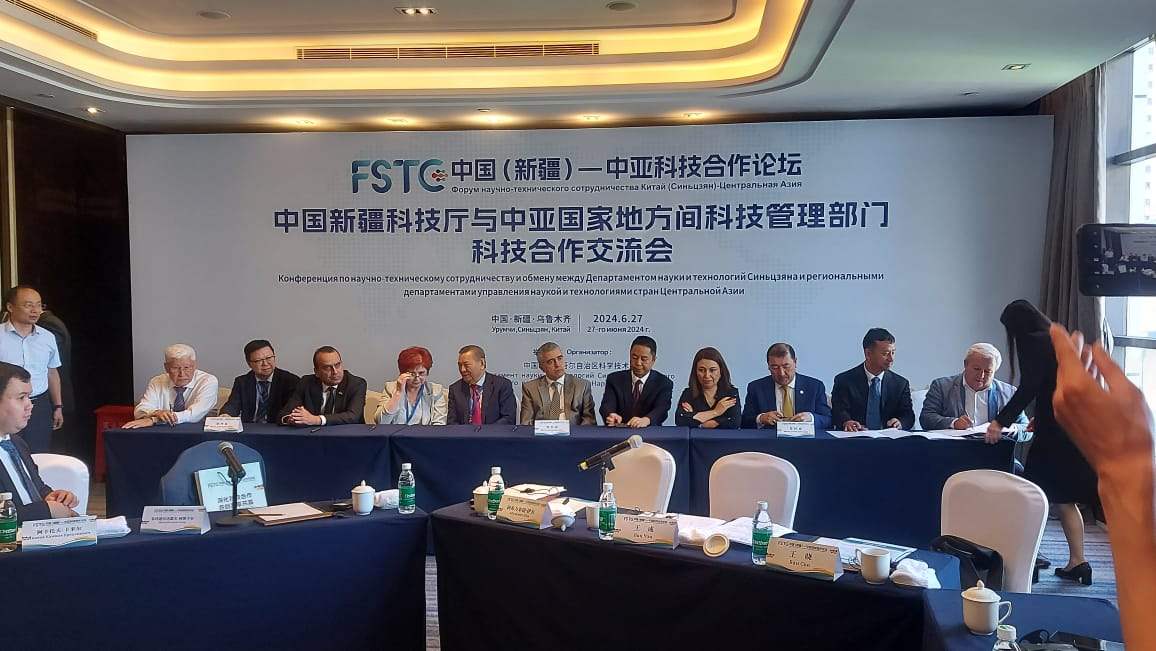
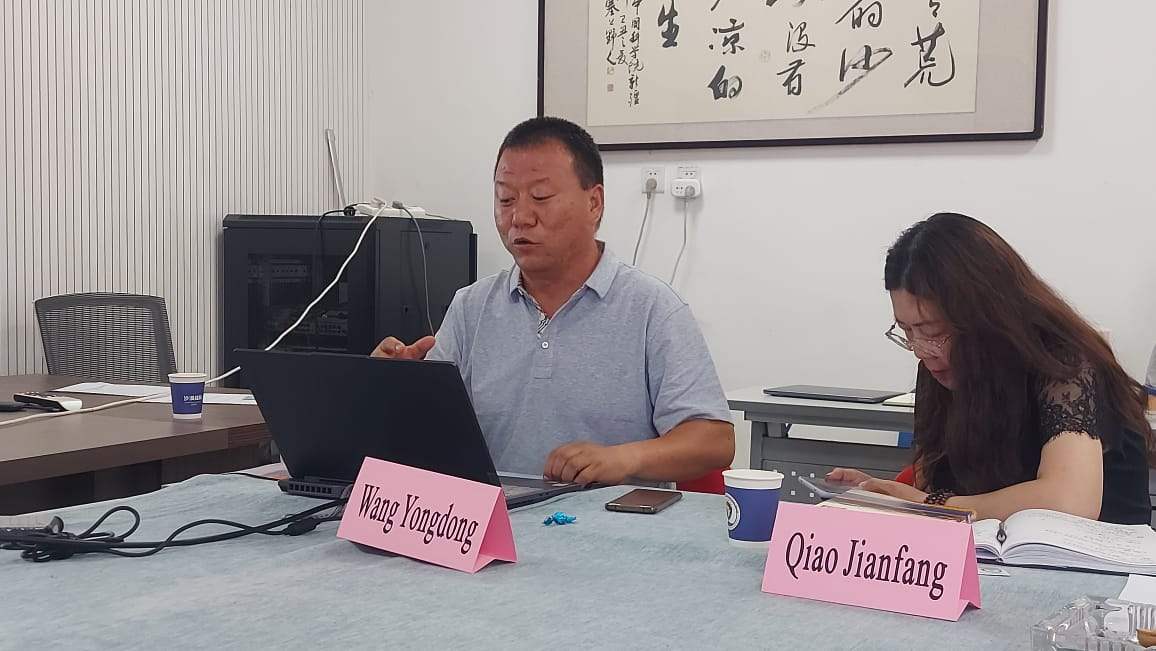
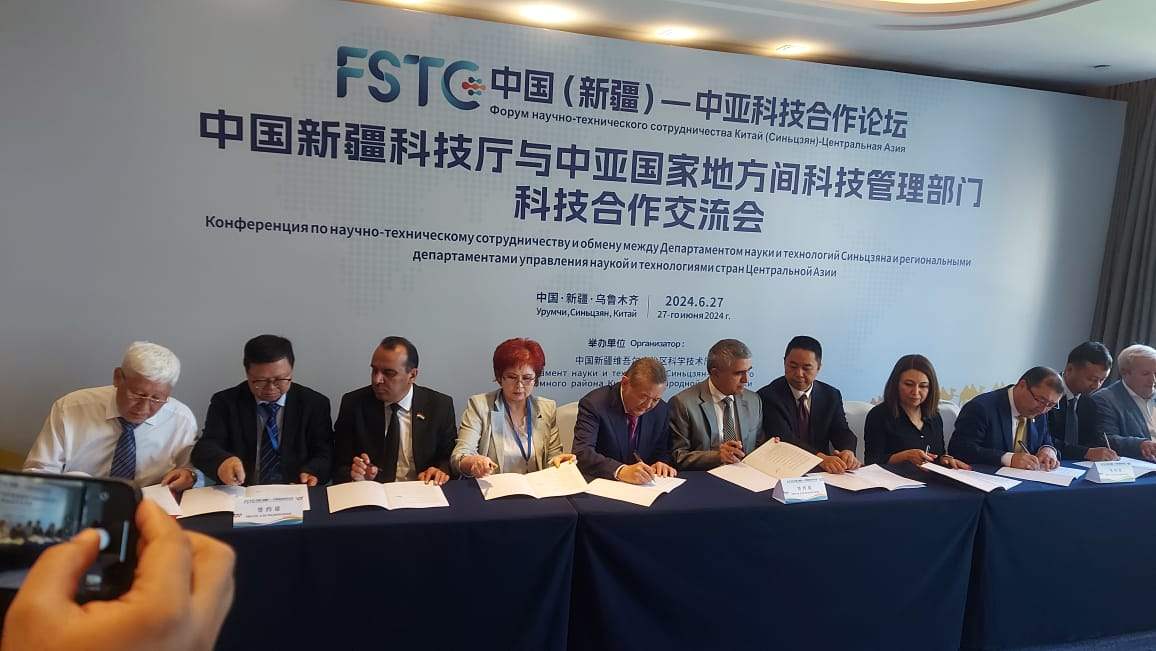
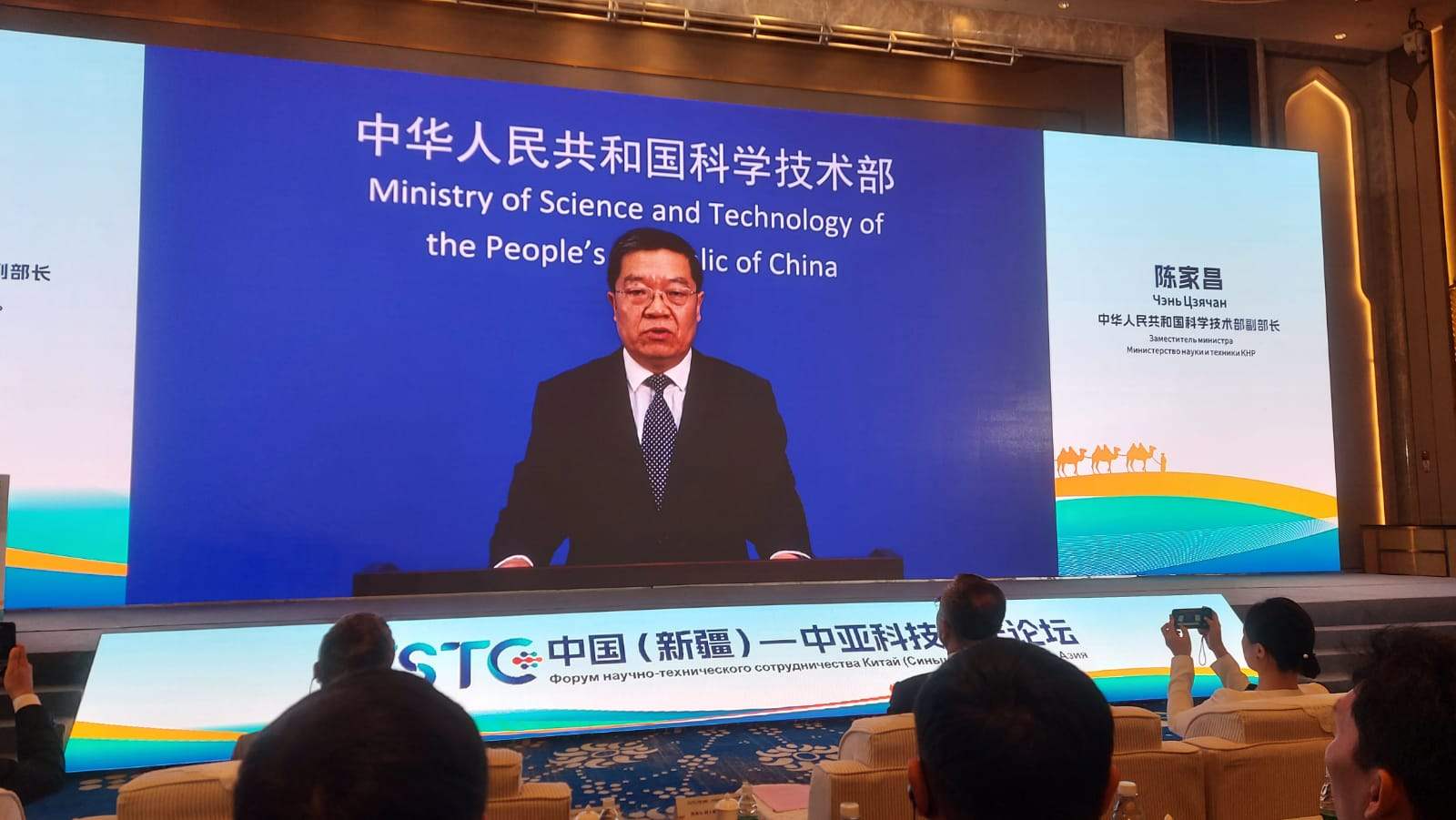
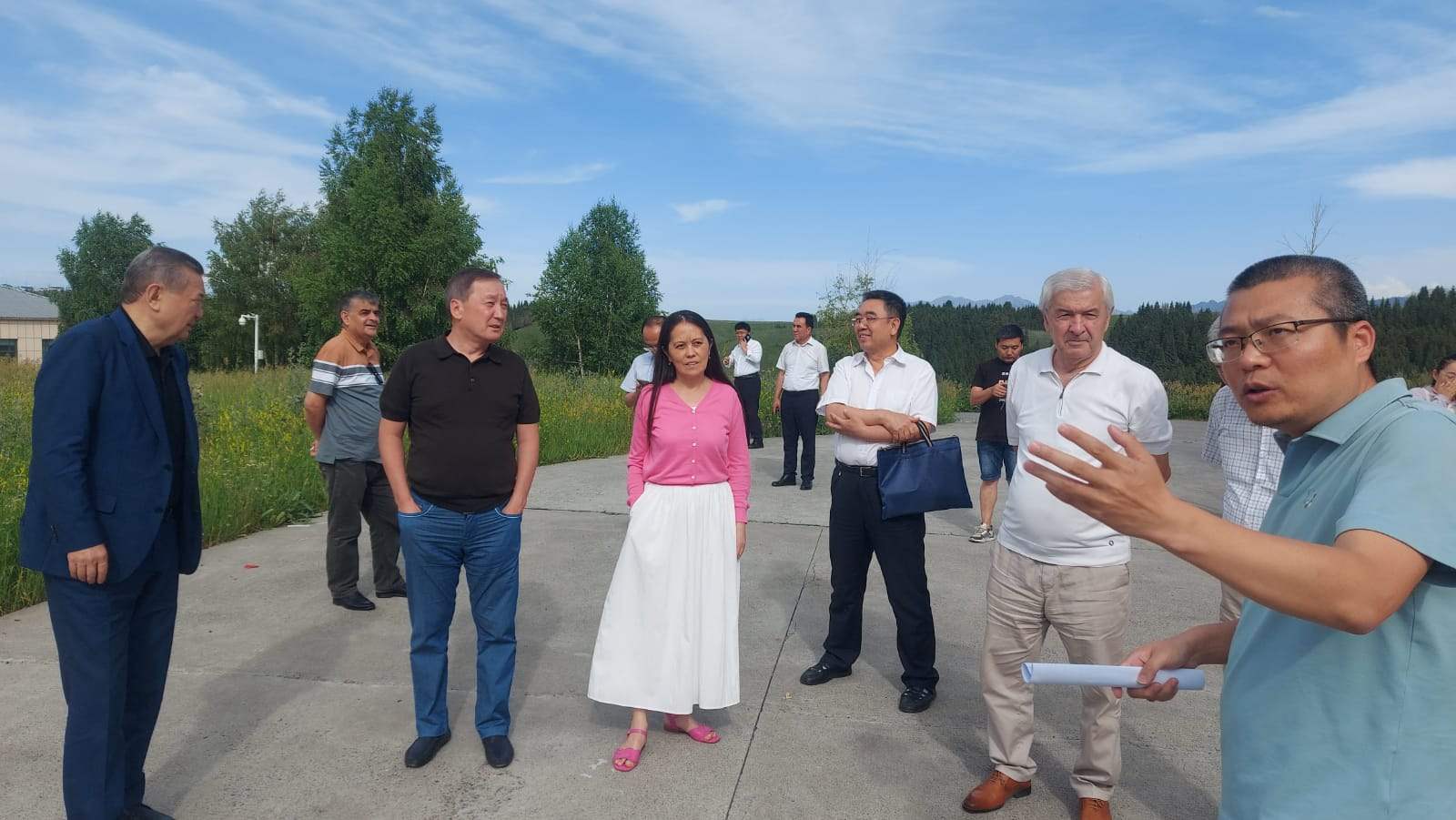
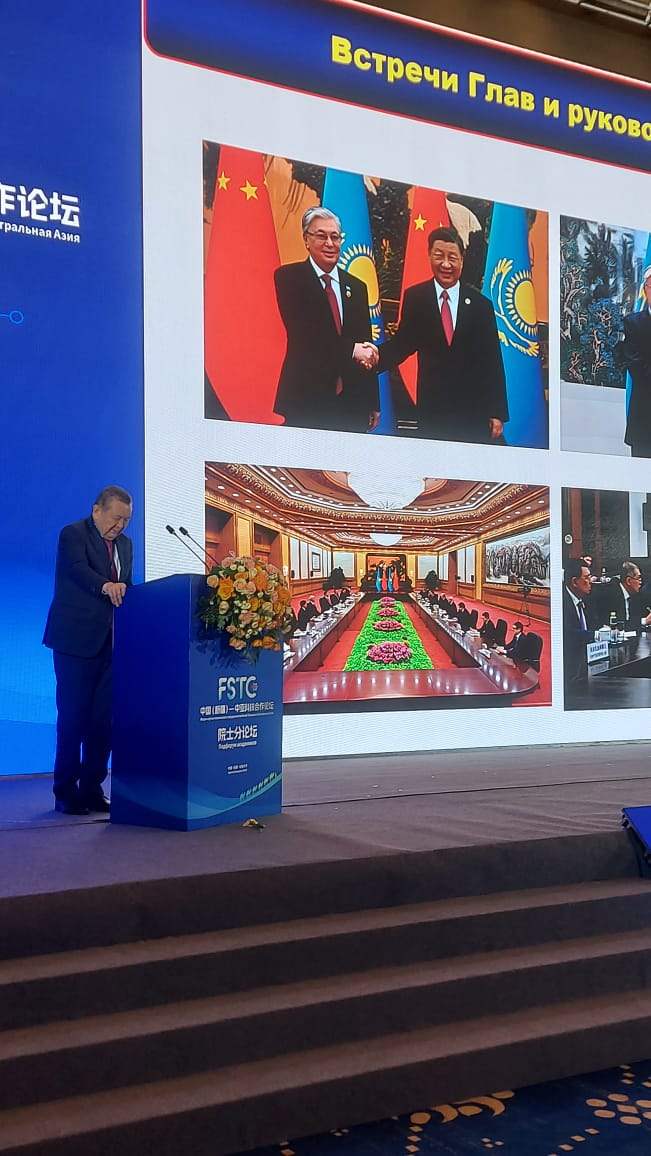
On 27–29 June this year, a delegation of the National Academy of Agrarian Sciences of Kazakhstan took part in the sixth Forum on scientific and technical cooperation “China (Xinjiang) – Central Asia”, held in Urumqi, Xinjiang Uygur Autonomous Region of the People’s Republic of China. The main theme of the international event was “Deepening effective scientific and technical cooperation for joint creativity, shared use and mutual benefit”.
The opening of the Forum was attended by leaders of the scientific, technical and educational sectors, scientific academies and young scientists from the Xinjiang Uygur Autonomous Region and Central Asian states (Kazakhstan, Uzbekistan, Kyrgyzstan, Tajikistan, Turkmenistan) and from border regions of Russia. Forum sessions were held on alternative energy, agriculture, sustainable green development, medicine and healthcare.
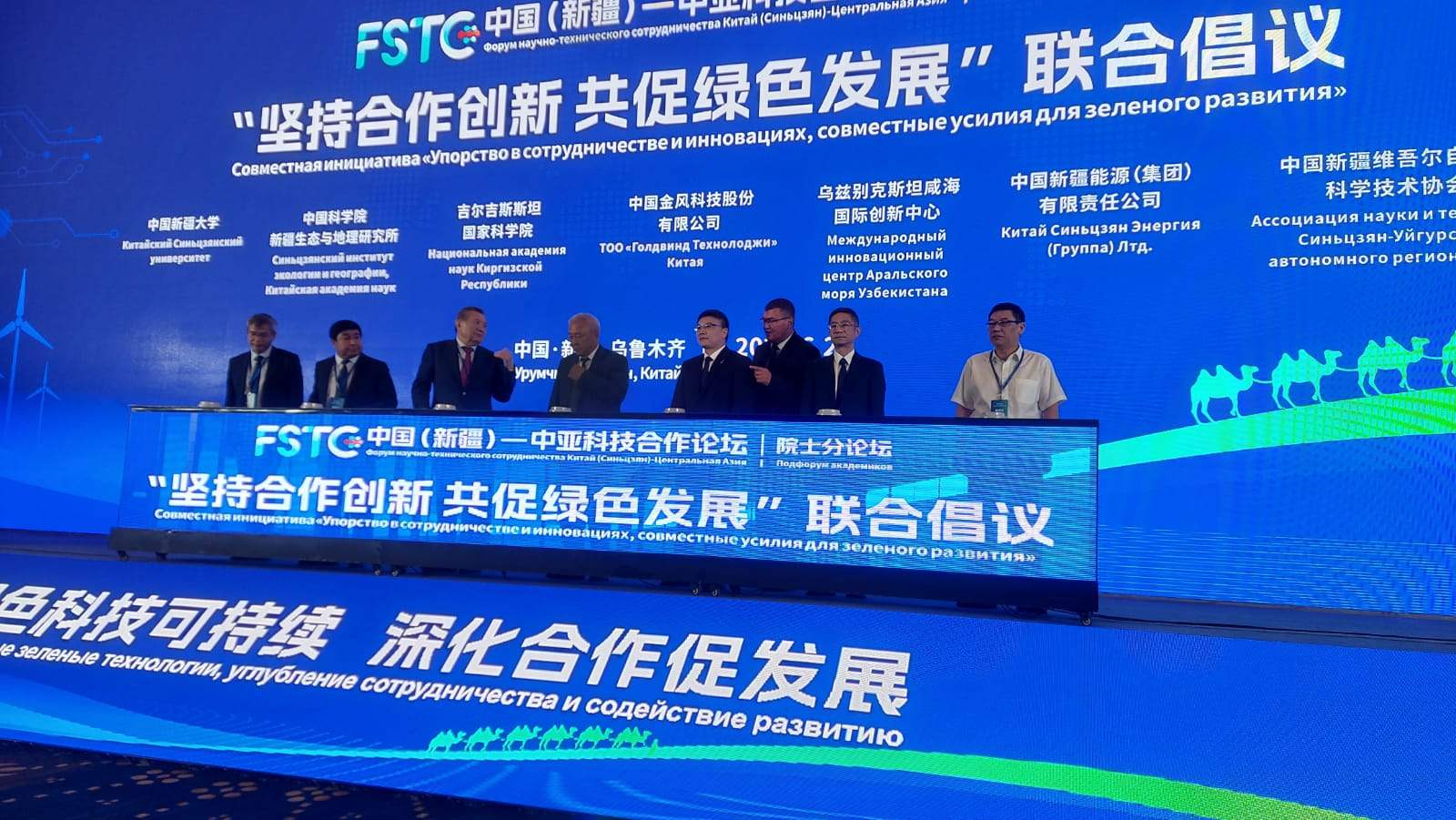
Under the Forum programme, a large Consortium Memorandum and agreements on joint initiatives were signed to develop and strengthen cooperation between the national academies and universities of China and Central Asia.
In this regard, close scientific partnership has existed for many years between the Chinese Academy of Sciences and the Academy of Agricultural Sciences of Kazakhstan. Today the scientific partnership between the academies of the two countries is growing stronger and productive projects in the agro-industrial sector are being implemented. Since 2011, the Kazakh Research Institute of Soil Science and Agrochemistry has partnered with the Xinjiang Institute of Ecology and Geography in Urumqi, carrying out international projects in ecology and soil science.
In 2015, as a result of international cooperation with the U. Uspanov Kazakh Research Institute of Soil Science and Agrochemistry, the Xinjiang Institute of Ecology and Geography of the Chinese Academy of Sciences established the “International Research Centre for Ecology and Environment of Central Asia” in Almaty. The Centre aims to develop the scientific foundations for ensuring the food security of both countries under global climate change, to train highly qualified researchers, and to study the ecological and environmental problems of Central Asia and the economic and social development of the peoples of Kazakhstan and China in the regions of Shanghai Cooperation Organization (SCO) member states. With the help of this Centre, many results have been achieved in ecology and soil science.
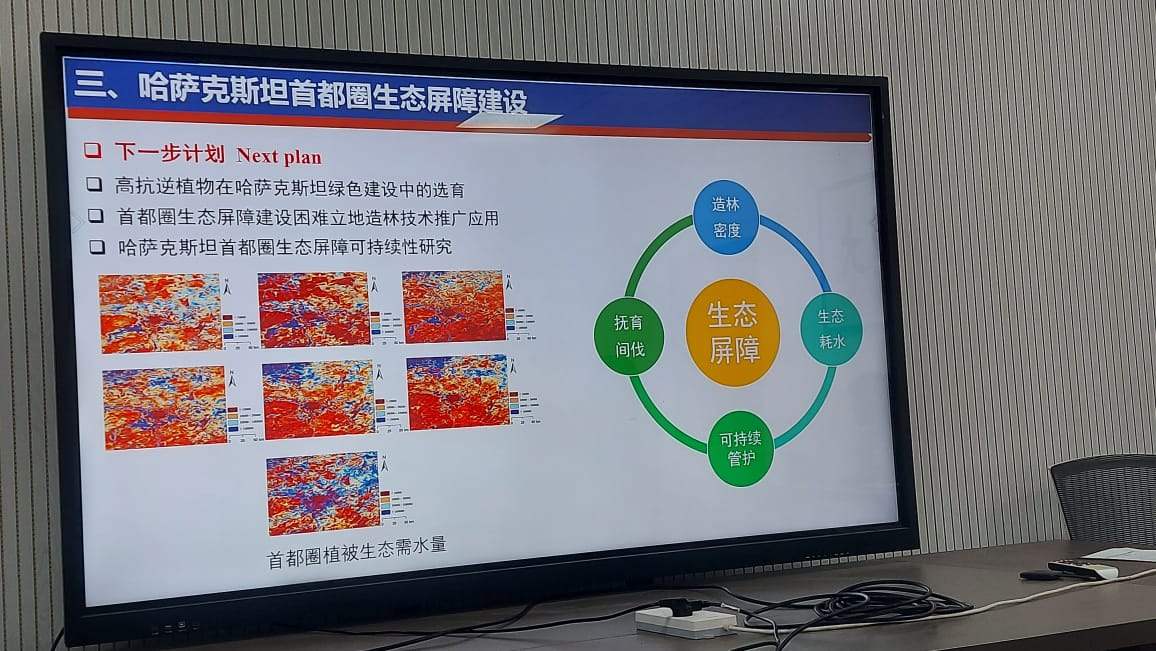
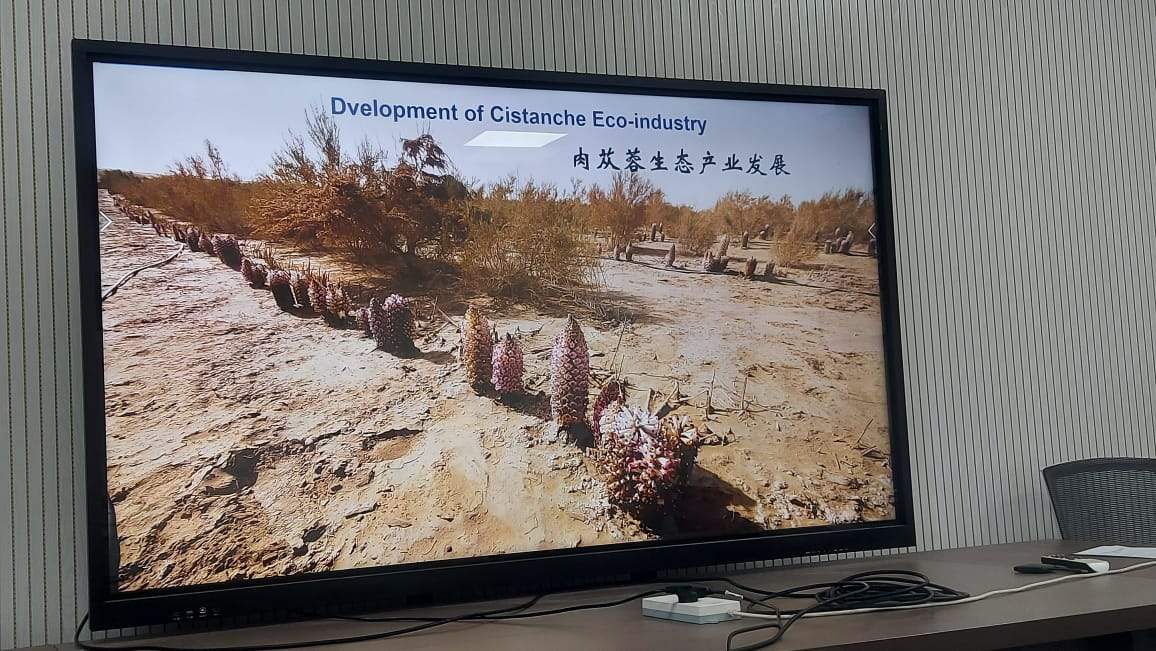
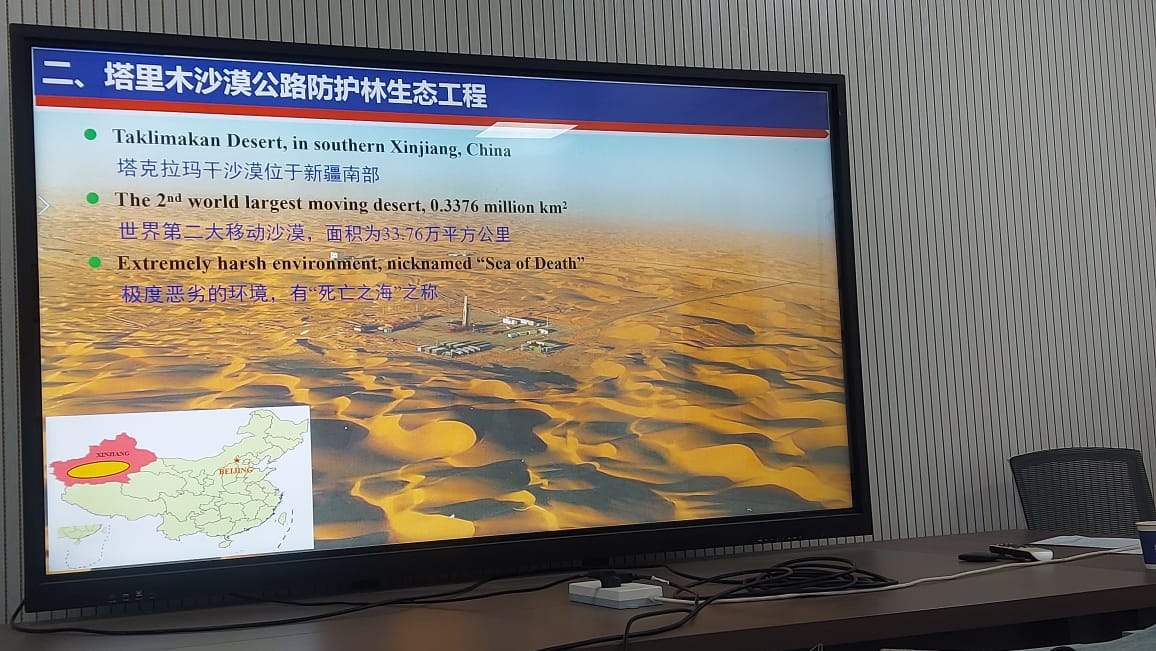
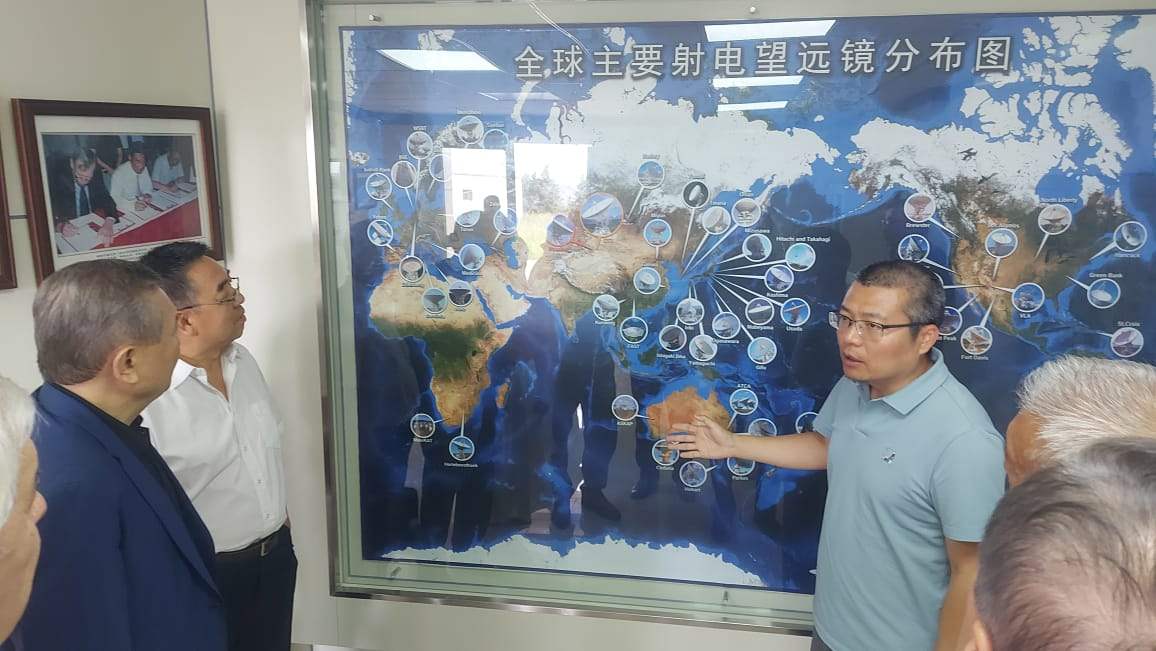
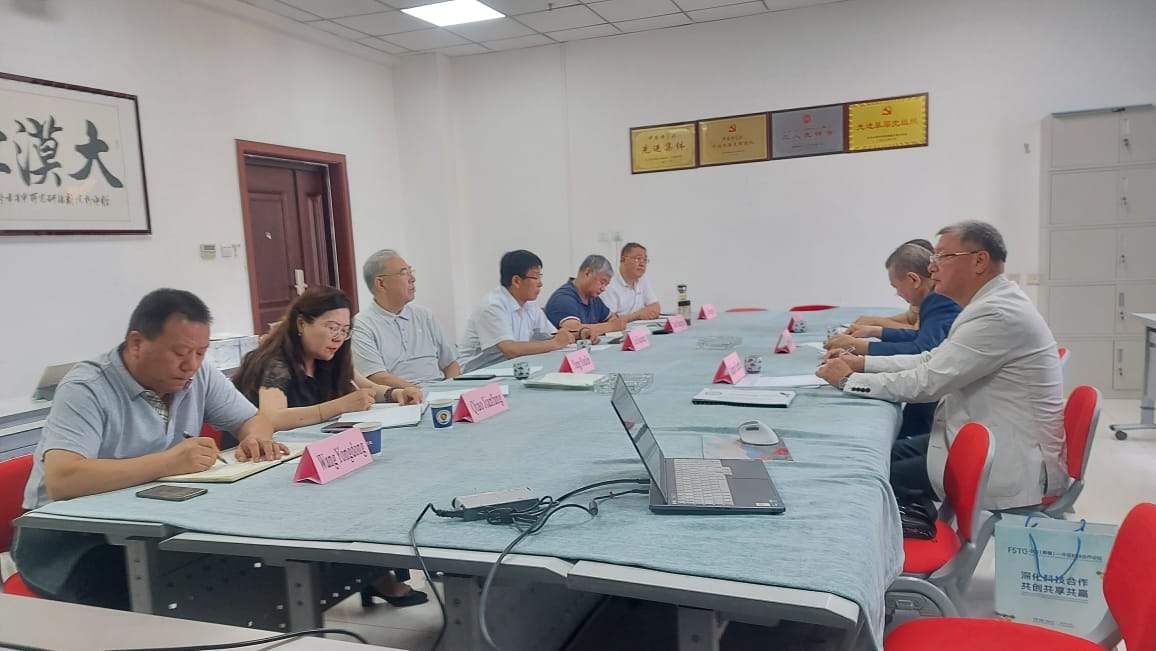
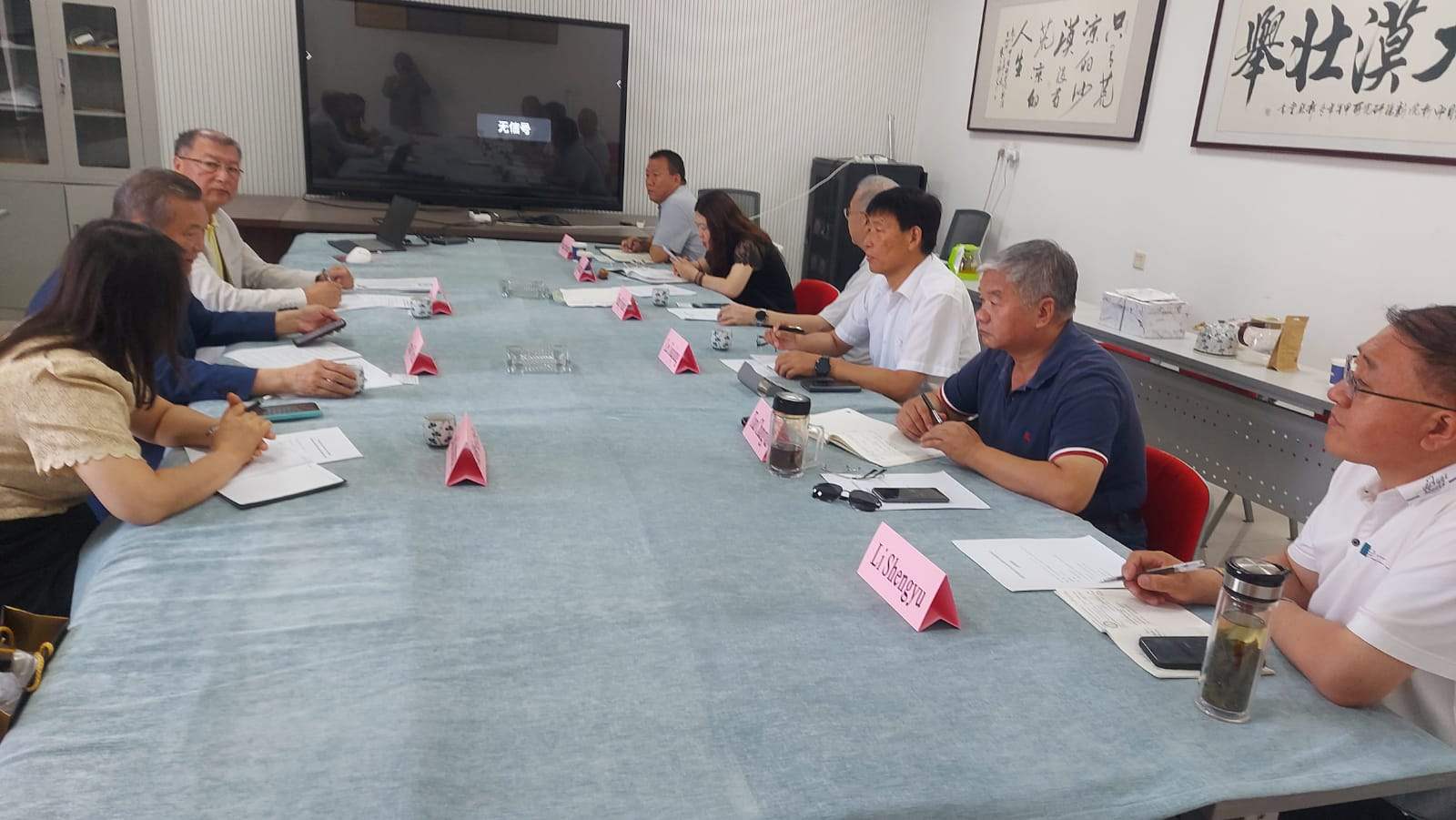
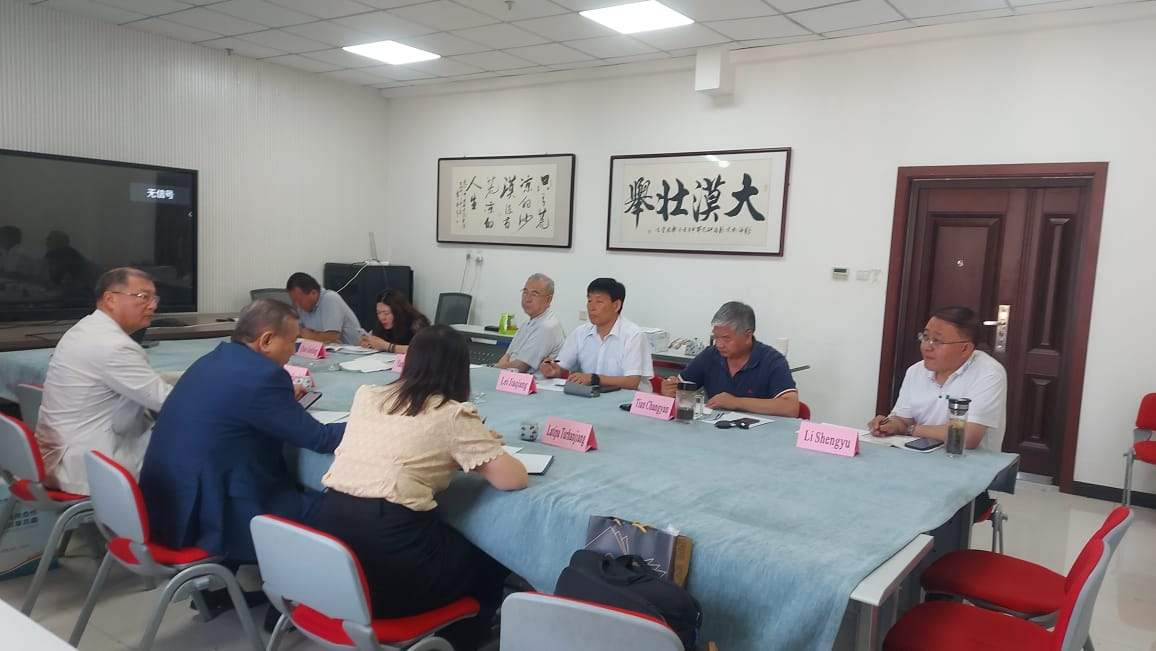
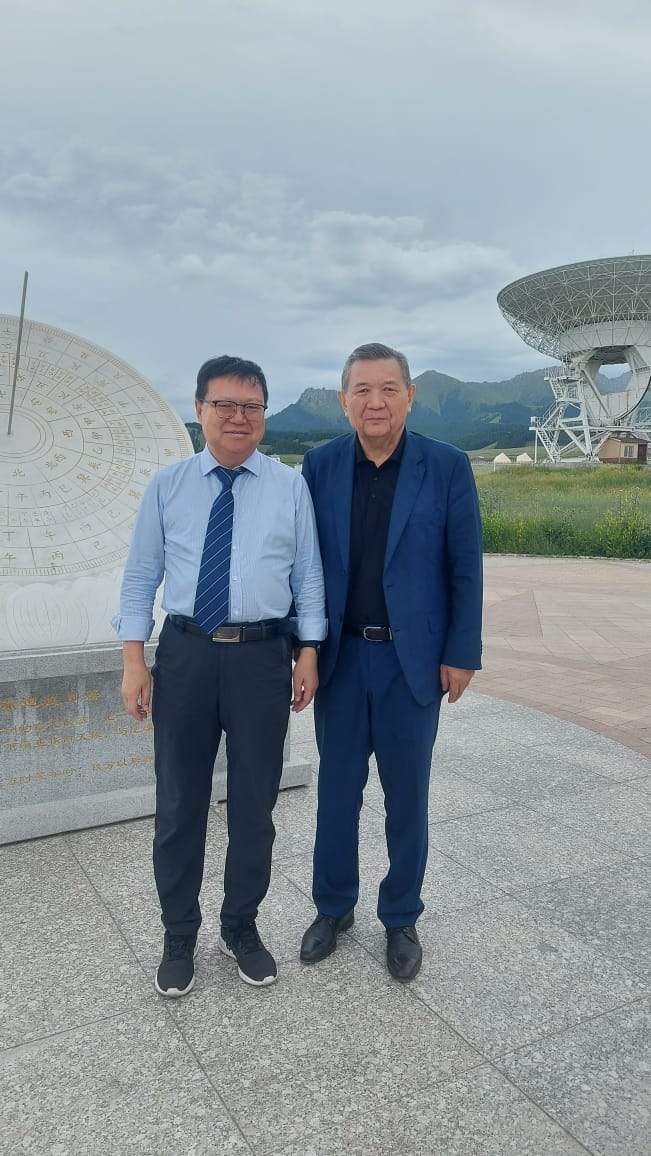
During the Forum, the NAAS RK delegation held a special meeting with the leadership and scientists of the Chinese Academy of Sciences at the Institute of Ecology and Geography. As a result of the talks, agreement was reached on jointly implementing research projects on pressing issues such as land salinization and degradation, development of desert and sandy areas, water scarcity, development of the Aral Sea region, and watering and improvement of pastures.
China is the largest economy among the SCO member states. Its GDP in 2023 was about 17.6 trillion dollars, making it the world’s second-largest economy after the United States. Thanks to its industrial, technological and agro-industrial potential, China plays a key role in the global economy.
China has become Kazakhstan’s largest trading partner – last year trade between the two countries reached 41.0 billion US dollars. At a briefing on the SCO Summit in Astana, President Kassym-Jomart Tokayev said: “Our relations with China are based on the principles of good-neighbourliness, friendship and eternal comprehensive strategic partnership. I would like to stress that we regard them as the shared values and common position of our two countries.”
Our long-standing scientific ties will continue to develop with the Chinese Academy of Sciences, the Chinese Academy of Agricultural Sciences, the Sichuan Academy of Agricultural Sciences, China Agricultural University in Beijing, Shihezi and Lanzhou universities, Tarim, Harbin and Northwest universities, the Xinjiang Institute of Ecology and Geography and other agricultural research and educational organizations.
Prospective areas of cooperation with Chinese scientists in green, sustainable development of the agro-industrial complex and agricultural science: 1. Forecasting climate change and its impact on agriculture; 2. Establishing situation centres for climate monitoring, digitalization of agriculture and prevention of phytosanitary risks; 3. Breeding drought-resistant crop varieties; 4. Biologization of crop and livestock systems; 5. Combating salinization and degradation of soils and pasture resources; 6. Developing water-saving technologies and improving water quality; 7. Processing and production of organic fertilizers and preparations; 8. Preserving the gene pool of crops and animals; 9. Food and veterinary safety; 10. Training a new generation of specialists.
To this end, every opportunity will be used to build effective links between the state, science and business as quickly as possible and to expand cooperation in agricultural science, the use of international experience and mechanisms of interstate interaction. Through close and coordinated work, the Forum developed joint conceptual proposals on effective tools and scientific approaches that will enable joint creativity and scientific and technological breakthroughs in agriculture.